
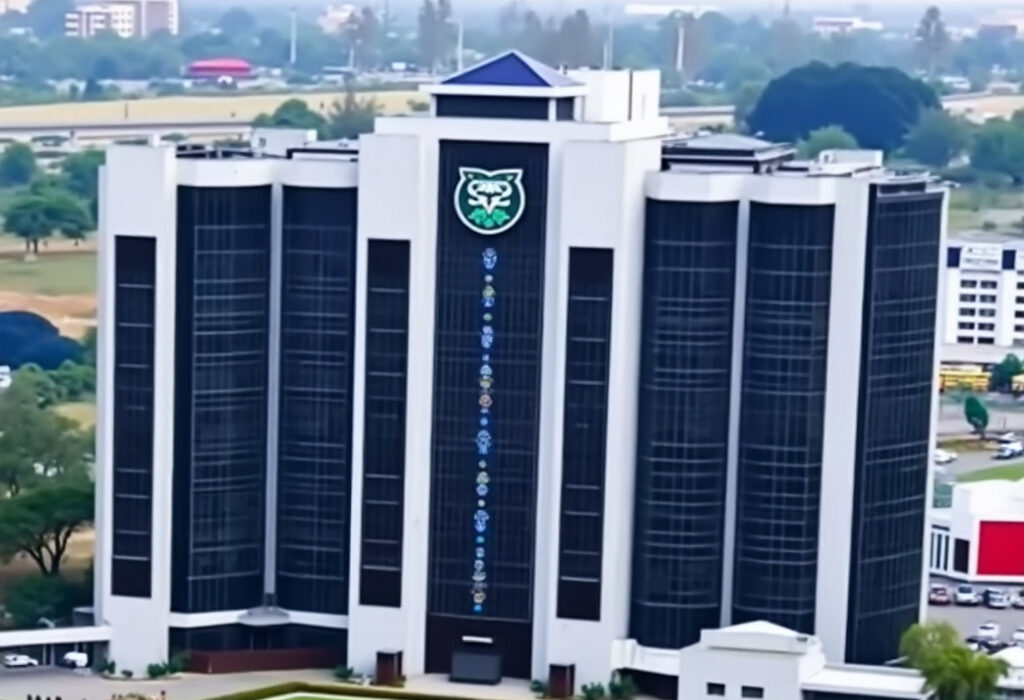
The Nigerian banking sector continued to exhibit substantial liquidity levels in the week ending November 6, 2026. Despite the Central Bank of Nigeria (CBN) raising N724.32 billion through its Open Market Operations (OMO) auction on Friday, banks placed a significant N8.311 trillion in deposits at the CBN’s Standing Deposit Facility (SDF).
Data released by the CBN and analyzed by Nairametrics showed that the SDF balance increased by N347.44 billion (4.36%) compared to the previous day and rose by N1.345 trillion (19.30%) compared to the previous Wednesday, indicating a steady inflow of liquidity parked by banks with the apex bank.
The OMO auction on November 6 saw the central bank allotting N724.32 billion, accepting 38.37% of N1.887 trillion in bids received. This auction was smaller than earlier operations in the month, notably lower than the approximately N2.95 trillion allotted on November 3. Importantly, the recent auction was a fresh mop-up of liquidity rather than a refinancing of maturing securities, as there were no repayments recorded.
Liquidity Dynamics and Market Implications
As banks increasingly parked funds at the CBN’s SDF rather than holding them in operational accounts, their opening balances declined by 68.29% within three days, illustrating a cautious liquidity preference. The net injection of funds into the banking system was further supported by Treasury Bills repayments exceeding new issuances, creating an overall positive liquidity injection of about N63 billion.
Yields on the Treasury Bills auctioned were around 18.84%, with marginal differences between the 179-day and 270-day tenors. The total subscriptions to the bills were nearly double the amount offered, signaling strong demand despite the cautious market environment.
Outlook for Nigerian Banking Liquidity
Financial market participants are closely monitoring the situation as the Financial Markets Dealers Association (FMDA) forecasts an inflow of about N13.79 trillion into the system throughout November. This is expected to come from OMO maturities, revenue allocations through the Federation Accounts Allocation Committee (FAAC), and Treasury Bills repayments.
The intensity of the CBN’s liquidity mop-up efforts in upcoming operations will be pivotal. Market watchers are particularly interested in whether the central bank will increase its acceptance of bids to absorb the anticipated liquidity inflows fully or maintain a more selective approach.
This liquidity management exercise is significant for Nigeria’s financial stability and the broader economy. High liquidity levels can influence inflationary pressures, interest rates, and credit availability, all critical factors for economic growth and financial market confidence.



0 comments
Be the first to start the conversation.