
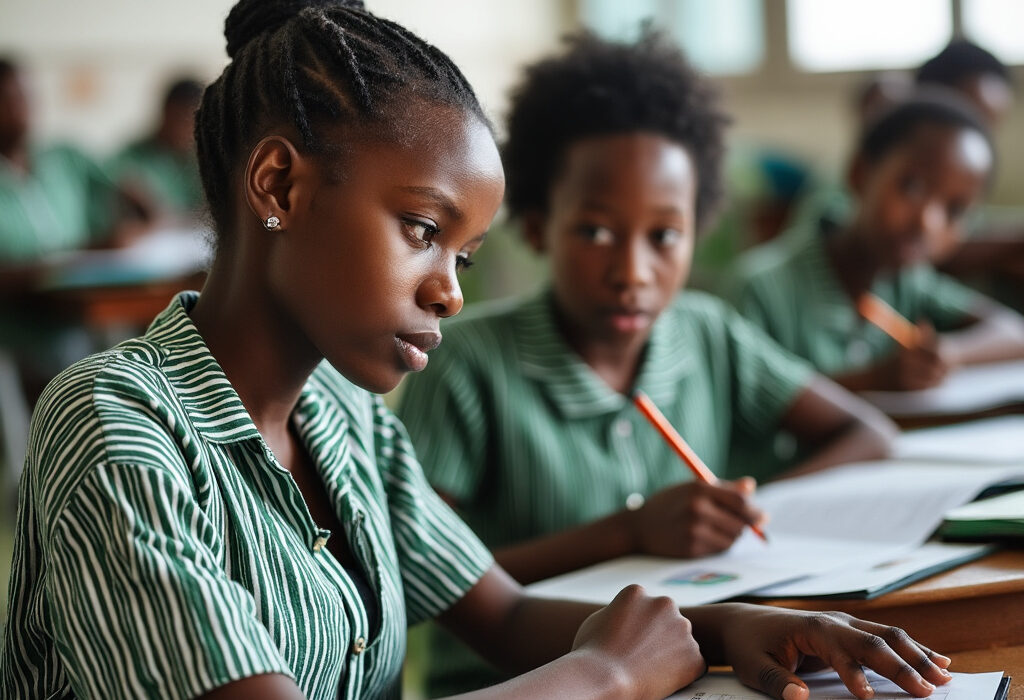
Nigeria‘s federal budget for education in 2025 stands at approximately $2.65 billion, which amounts to about 2.14 percent of the country’s GDP. This allocation is modest compared to other major African economies, signaling potential challenges in addressing the educational needs of Nigeria’s large and expanding population.
When broken down per student, Nigeria spends roughly $371 annually on each of the 48.6 million pupils enrolled in primary and secondary education. This figure contrasts sharply with other African countries. For instance, South Africa has committed around $33 billion to education in its 2025/26 fiscal cycle, which accounts for nearly 24 percent of its government expenditure. This has translated into per-student expenditure figures well above Nigeria’s, especially at secondary and tertiary levels.
Similarly, Ethiopia budgets about $12.3 billion for education, demonstrating a higher relative investment despite its lower GDP compared to Nigeria. Algeria and Morocco also allocate significantly more funds, with Algeria dedicating an estimated $12 billion and Morocco allocating about $8.5 billion to education. Kenya has earmarked approximately $5.4 billion, about 16.6 percent of its national budget, predominantly to further its Competency-Based Education and Training programme.
The disparity in spending is notable not just in total amounts but also in how these investments translate into per-student expenditure. South Africa, for example, spends upwards of $2,600 per primary student and over $9,000 per tertiary student, figures that greatly exceed Nigeria’s per learner allocation.
The absence of comprehensive per-student expenditure data for Nigeria and several other African nations complicates efforts to assess the efficiency and adequacy of education spending. Larger national budgets do not necessarily lead to better-funded students, especially in countries with significant numbers of school-age children.
Implications for Nigeria’s human capital development
As Nigeria approaches its 2027 presidential election, the country’s human capital development is under growing scrutiny. Education investment is a critical indicator of government commitment to economic and social progress, particularly given Nigeria’s demographic realities. The growing demand for schools, qualified teachers, and improved tertiary education facilities requires proportionate budgetary support.
Experts emphasize that Nigeria’s education system must focus not only on funding but also on the quality of education provided. This includes prioritizing literacy, essential skills, and the reinforcement of national values. A balanced and purpose-driven approach to education is deemed crucial for meeting Nigeria’s development challenges and preparing its youth for evolving labor markets.
Ultimately, the current budget allocations highlight the need for Nigeria to reassess its priorities in education financing to match the scale of its population and developmental aspirations. Without increased investment, the country risks lagging further behind its African peers in equipping its citizens with the skills necessary for future economic growth.

0 comments
Be the first to start the conversation.