
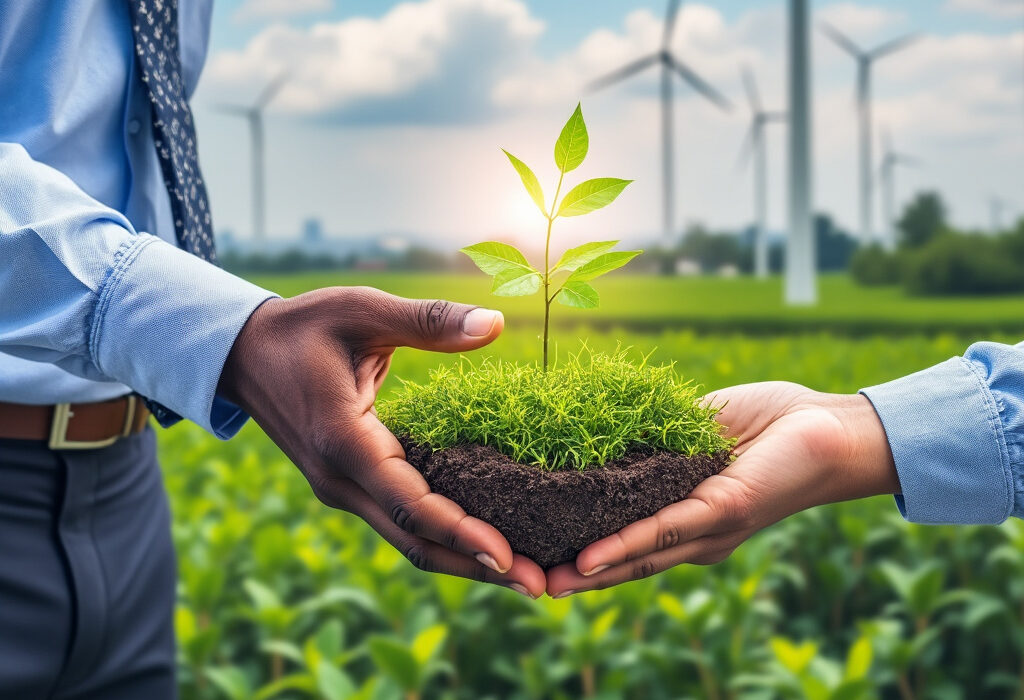
Nigeria has recently secured membership in the Global Bioenergy Partnership (GBEP), an international platform devoted to advancing sustainable bioenergy development worldwide. This membership offers Nigeria new avenues to stimulate foreign investment and strategic collaborations, boosting its ambitions in renewable energy sectors such as waste-to-energy and sustainable aviation fuel.
Speaking at the 32nd GBEP Steering Committee Meeting in Rome, Italy, Dr Mustapha Abdullahi, Director-General and CEO of the Energy Commission of Nigeria, outlined the significant bioenergy investment opportunities present in Nigeria. These include bioethanol, biodiesel, biogas, biomass power generation, sustainable aviation fuel, and waste-to-energy initiatives. Abdullahi emphasized that Nigeria’s rich agricultural resources and biomass potential position the country well to become a leading player in sustainable bioenergy across Africa.
Joining the GBEP strengthens Nigeria’s platform for international cooperation and provides access to valuable technical expertise and knowledge exchange. This development is aligned with Nigeria’s recent approval of the Strategic Plan of the Nigeria Bioenergy Partnership by the Federal Executive Council, highlighting the Federal Government’s commitment to fostering the bioenergy industry.
Among the promising sectors is waste-to-energy technology, which could simultaneously address pressing waste management challenges and provide an alternative energy source. Similarly, sustainable aviation fuel development aligns with global efforts to reduce environmental impacts in the aviation industry. Realizing these opportunities, however, requires significant investments to build necessary processing facilities, infrastructure, and supply chains supported by favorable policies and regulations.
The Energy Commission of Nigeria will act as the focal point for GBEP-related activities, coordinating international partnerships, sustainability initiatives, capacity building, and facilitating the transfer of technology and expertise. By engaging with other GBEP member nations, Nigeria aims to benefit from shared bioenergy policies and investment frameworks that can accelerate the growth of its domestic bioenergy sector.
For Nigeria, participating in GBEP is strategically important, as it harnesses the country’s agricultural waste and biomass for economic and environmental value addition, creating potential jobs and promoting clean energy expansion. Nevertheless, the journey ahead depends heavily on attracting adequate investments and overcoming technical and logistical challenges to convert its bioenergy potential into sustainable, commercially viable projects.


0 comments
Be the first to start the conversation.