
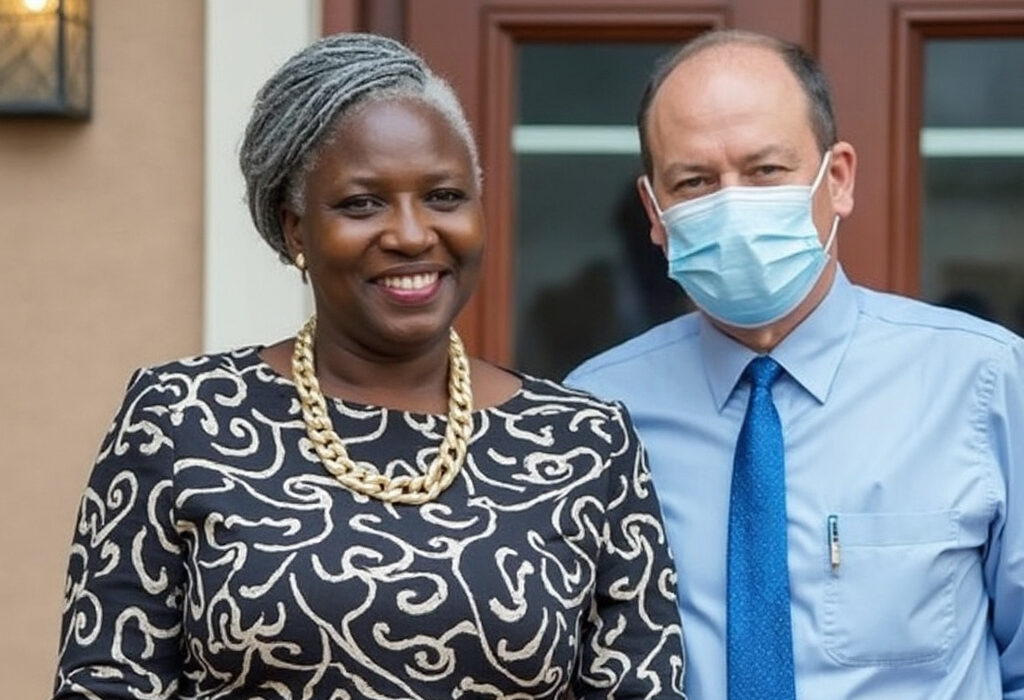
Nigeria identified its first confirmed Ebola case in more than a decade on October 20. The patient is a 42-year-old woman residing in Abuja, who is married to a Swiss diplomat. Authorities suspect she contracted the virus during recent travels in Uganda.
Switzerland’s foreign ministry confirmed the patient’s identity and travel history, noting that the couple had traveled to Uganda earlier in October. This contrasts with statements from Uganda’s foreign ministry, which suggested the woman had visited the eastern Democratic Republic of Congo (DRC) for business; however, the Swiss government has denied any such visit occurred.
Ugandan officials have indicated there are currently no confirmed active Ebola cases within their borders and clarified that the woman’s presence in the country does not necessarily indicate she contracted the disease there.
The World Health Organization (WHO) has noted that it remains too early to ascertain the exact location where the infection was acquired. Investigations are ongoing, but officials have faced difficulties obtaining a comprehensive travel history due to the patient’s limited availability for interviews while hospitalized.
This development carries significant implications for Nigeria and West Africa, given past Ebola outbreaks and the critical need for robust surveillance and rapid response to prevent further spread. The international dimensions of the case underscore the importance of cross-border cooperation in disease control and highlight the challenges posed by global travel in containing infectious diseases.
Health authorities in Nigeria are expected to intensify monitoring efforts and contact tracing to mitigate any potential transmission. The incident also serves as a reminder of the continued risk posed by Ebola in the region, despite periods of apparent remission.



0 comments
Be the first to start the conversation.