
Nigeria has recorded a decline in headline inflation to 14.63% in September 2026, down from 15.39% the previous month and a notable decrease from 20.98% in September 2025, according to the National Bureau of Statistics. This marks the fourth consecutive monthly reduction in the headline inflation rate.
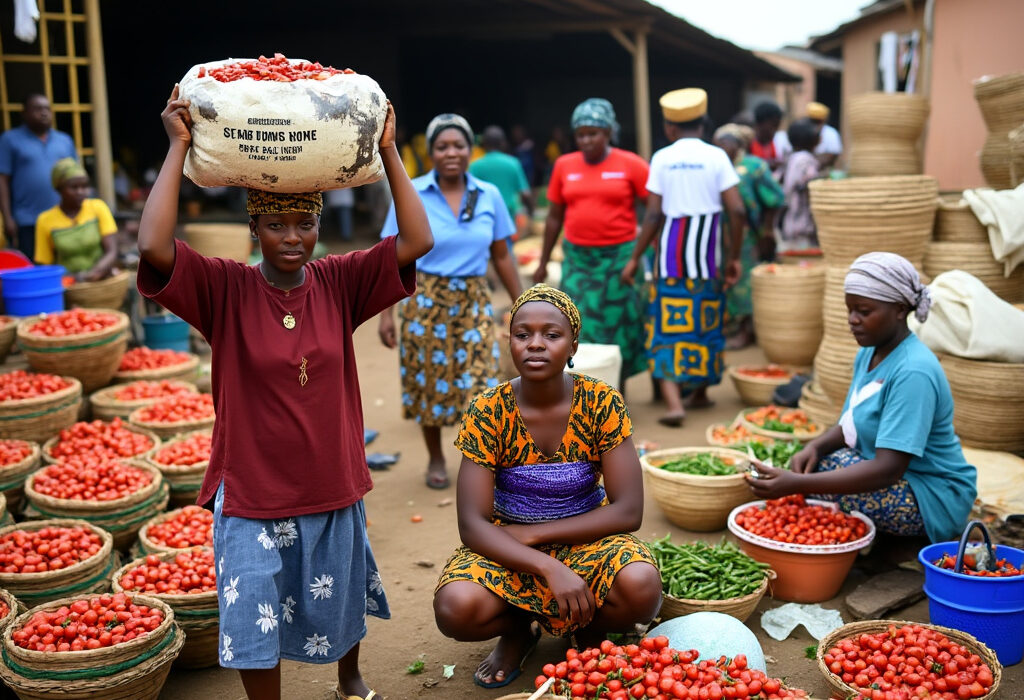
The lowering of inflation is primarily attributed to falling food prices during the harvest period. Key food items such as grains, rice, eggs, onions, palm oil, vegetables, potatoes, plantains, and tomatoes experienced month-on-month price declines, particularly in rural areas where harvest effects are felt earlier. However, urban areas saw a slight rise in prices due to added costs of transportation, rent, power, and services.
Persistent Underlying Inflation Concerns
Despite the favorable movement in food prices, core inflation, which excludes volatile items like farm produce and energy, showed an uptick. In September, core inflation rose by 1.11% month-on-month, indicating increasing costs in sectors such as housing, education, transport, and manufactured goods. When annualized, this corresponds to roughly a 14.2% increase, reflecting sustained underlying price growth beyond seasonal food price effects.
Food inflation remains high on an annual basis at 19.59%, meaning Nigerian households spending significant portions of their income on food continue to face considerable price increases compared to the previous year.
Energy Prices and Economic Context
Energy costs contribute significantly to inflationary pressure in Nigeria. Brent crude oil prices surpassed $100 per barrel in mid-October 2026, influencing domestic petrol prices, which reached around ₦1,405 to ₦1,409 per liter in some Abuja stations after temporary government relief subsidies expired at the end of October.
Fuel price hikes drive up transportation costs, which subsequently affect the overall price level of goods and services, explaining the delayed impact on core inflation.
Monetary Policy and Outlook
The Central Bank of Nigeria reduced its Monetary Policy Rate (MPR) to 23% in September, maintaining a positive real policy rate of approximately 8.37 percentage points based on September’s headline inflation. However, when considering core inflation, the real return is notably slimmer, indicating that investors are cautiously optimistic about future inflation trends.
The government’s fiscal position improved in the first half of 2026, with net revenues rising due to foreign exchange and fuel sector reforms. Nonetheless, forecasted increases in spending ahead of the 2027 elections pose potential risks of reigniting inflationary pressures through increased demand.
Implications for Nigeria
The current inflation trend reveals a complex picture: while harvest-related food price drops offer temporary relief, persistent increases in core inflation underline ongoing challenges in controlling price rises in other sectors. Nigerian households, particularly those allocating a large share of income to food and energy, continue to face high living costs.
The Central Bank is advised to maintain its current monetary stance to avoid prematurely easing policy in the face of rising underlying inflation. Concurrently, transparency on government spending limits during the election period could help mitigate inflationary risks, ensuring that temporary gains in headline inflation do not mask sustained pressures on the economy.



0 comments
Be the first to start the conversation.