
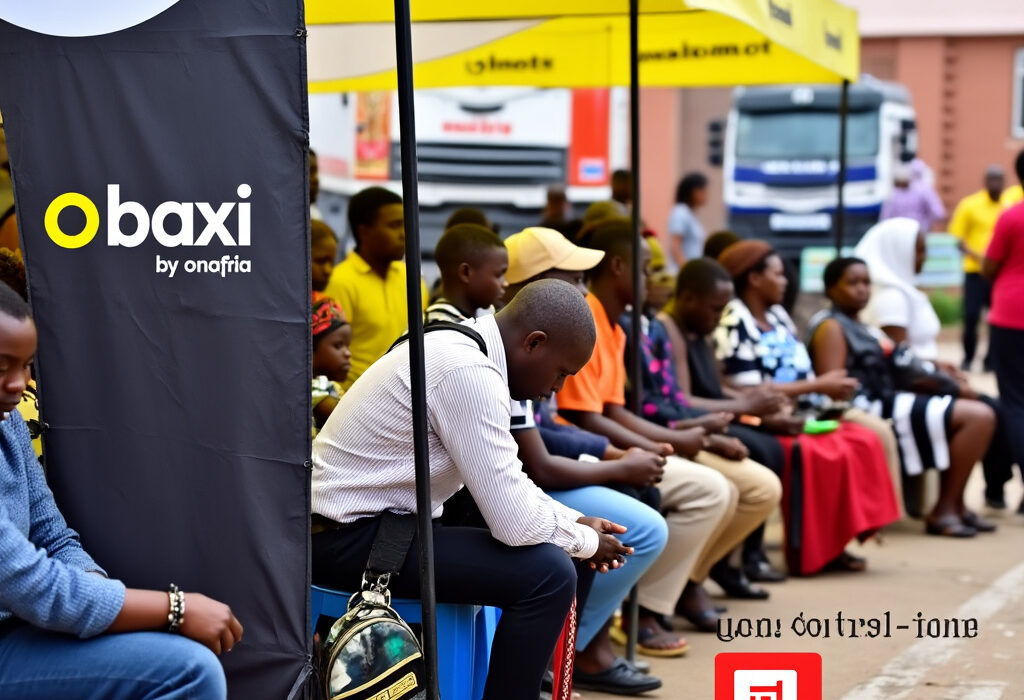
Onafriq, a pan-African payments firm, officially ceased operations of its agent banking business Baxi in Nigeria in October 2026, concluding a five-year expansion effort that began with acquiring one of the country’s largest independent agent banking networks.
Months prior to the closure announcement, Onafriq had entered negotiations to sell Baxi, including the entire agency banking operation in Nigeria. According to audited financial statements filed in the United Kingdom, these negotiations remained unresolved as of July 2026.
The company cited several challenges influencing this decision, such as inflation, the depreciation of the naira, increasing operational costs, reduced profit margins, and a shift in consumer behaviour favouring alternative payment methods, specifically account-to-account transfers, which diminished the usage and profitability of offline payment channels like Baxi’s agent network.
Financial decline and operational challenges
Over recent years, Baxi’s financials showed significant deterioration. Revenue from agency services dropped by 56% from $30.4 million in 2023 to $13.4 million in 2024. Simultaneously, the company recorded a 65% decrease in gross profit from $13.4 million to $4.7 million. Despite cutting operating costs nearly in half—from $17 million to $8.7 million—the business could not compensate for shrinking earnings.
Furthermore, Onafriq addressed nearly $7 million in goodwill impairments related to its Nigerian payments business across 2023 and 2024, indicating lowered expectations for the unit’s future profitability. Goodwill write-offs reflect the diminished value of the acquisition beyond tangible assets, suggesting that anticipated returns did not materialize.
Debt obligations and credit operations
Onafriq’s Nigerian subsidiary, Onafriq Nigeria Payments Limited, held considerable overdraft debts of ₦19.9 billion (around $15 million) with two Nigerian banks as reported in mid-2026, adding financial pressure on ongoing operations.
Baxi also extended short-term credit facilities to agents, facilitating wallet balance liquidity through loans with interest rates between 2.5% and 7% payable within a week. These credit activities were wholly funded by Onafriq, which assessed agent creditworthiness and managed repayment and default risks.
Strategic retreat and industry context
The decision to shut down Baxi and seek its sale marked a reversal in Onafriq’s Nigeria strategy, initially aimed at leveraging a large cash-based agent network to strengthen its pan-African payments infrastructure. The failure to secure a buyer or sustain profitability exposed the difficulties of maintaining extensive physical agent networks amid Nigeria’s rapidly changing payments landscape.
Despite Baxi’s struggles, Onafriq’s other business segments showed growth — revenue from money transfer fees increased by 20% in 2024 to $43.9 million, and card fee revenue rose by 22%. These contrasting results underscore the challenges faced specifically by offline agent banking in Nigeria’s evolving digital payments ecosystem, despite overall payment market expansion.
Onafriq’s exit from Nigeria’s agent banking market highlights broader shifts in consumer payment preferences and operational viability for traditional agent networks. For Nigerian fintech players and consumers, it signals the increasing importance of digital and account-based payment solutions over cash-centric models, with implications for financial inclusion and the sustainability of agent networks in the country’s payments industry.



0 comments
Be the first to start the conversation.